







If your vehicle’s check engine light is on and your diagnostic scanner shows the P0202 fault code, then this is how to fix P0202 fault code. The engine computer has detected a problem with the fuel injector circuit for cylinder 2.
The P0202 code can cause several noticeable symptoms, including rough idling, engine misfires, poor acceleration, reduced fuel economy, and difficulty starting. In some cases, the vehicle may continue to run, but ignoring the problem for too long can potentially lead to additional engine or emissions problems.
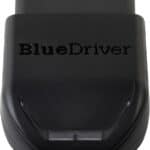
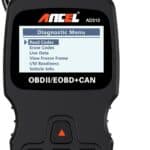
The good news is that diagnosing P0202 is usually possible with a basic OBD2 scanner, a digital multimeter, and some basic mechanical knowledge.
This guide explains how to fix P0202 fault code, the common causes, symptoms to watch for, how to diagnose the problem, and the steps you can take to fix it.
What Does the P0202 Fault Code Mean?
The P0202 fault code means “Injector Circuit/Open – Cylinder 2.”
Your vehicle’s engine control module, often called the ECM or PCM, controls the fuel injectors by sending electrical signals to them. These signals tell each injector when to open and how much fuel to deliver into the engine.
When the computer detects an electrical problem with the injector circuit for cylinder 2, it can store the P0202 code and turn on the check engine light.
The problem does not necessarily mean that the fuel injector itself is bad. The issue could also be caused by damaged wiring, a poor electrical connection, a blown fuse, a faulty injector driver inside the ECM, or another electrical problem.
Symptoms Of How To Fix P0202 Fault Code
The symptoms you experience can depend on the vehicle and the severity of the problem.
Common symptoms include:
1. Check engine light
2. Rough engine idle
3. Engine misfire
4. Poor acceleration
5. Reduced engine power
6. Poor fuel economy
7. Engine hesitation
8. Difficulty starting
9. Engine vibration
10. Stalling
11. Fuel smell from the exhaust
12. Increased emissions
If cylinder 2 is not receiving the correct amount of fuel, the engine may not operate smoothly because the air-fuel mixture is no longer balanced.
In severe cases, driving the vehicle should be avoided until the problem is diagnosed, particularly if the check engine light is flashing.
Common Causes of How To Fix P0202 Fault Code
There are several possible causes of the P0202 code.
The most common include:
1. Faulty fuel injector on cylinder 2
2. Damaged injector wiring
3. Loose or corroded injector connector
4. Open circuit in the injector wiring
5. Short circuit in the injector wiring
6. Blown injector fuse
7. Poor electrical connection
8. Faulty ECM or PCM
9. Wiring damaged by heat or engine movement
10. Internal injector failure
A fuel injector can fail mechanically or electrically. An injector may become clogged and fail to deliver enough fuel, but P0202 specifically points toward an electrical circuit problem. Therefore, it is important to test the electrical circuit before automatically replacing the injector.
How to Diagnose P0202
YouTube video from https://www.youtube.com/@GoProAuto
Before replacing any parts, you should properly diagnose the problem. Replacing the injector without testing the circuit could result in unnecessary expenses.
Start by connecting an OBD2 scanner to the vehicle’s diagnostic port. Record all stored trouble codes and freeze-frame information.
Check whether other codes are stored along with P0202. Additional misfire, fuel system, or electrical codes may provide useful clues.
Next, inspect the cylinder 2 fuel injector and its wiring.
Look for damaged wires, melted insulation, broken connectors, corrosion, loose terminals, or wires that have been rubbing against other engine components.
Pay particular attention to areas close to the engine, exhaust components, and moving parts where wiring can become damaged.
Inspect the Cylinder 2 Injector Connector
YouTube video from https://www.youtube.com/@chrisfix
Turn the ignition off before disconnecting the injector connector.
Inspect the connector carefully. The terminals should be clean and securely positioned. A loose terminal can prevent the injector from receiving the proper electrical signal.
If you see corrosion, dirt, oil contamination, or damaged terminals, clean or repair the connector as appropriate.
Make sure the connector clicks securely back onto the injector.
A connector that looks fine from the outside can still have an electrical problem internally, so further testing may be necessary.
Check the Injector Wiring
The wiring between the fuel injector and the ECM should be inspected carefully.
Look for:
1. Broken wires
2. Frayed insulation
3. Burned wiring
4. Corrosion
5. Shorted wires
6. Loose connections
7. Wiring rubbed against metal
8. Previous repairs that may have failed
Use a digital multimeter to check for continuity and electrical problems.
The exact testing procedure and expected voltage will vary depending on the vehicle. Always use the manufacturer’s wiring diagram and specifications when testing the injector circuit.
Test the Fuel Injector
The fuel injector itself should also be tested.
One common test is measuring the injector’s electrical resistance with a digital multimeter. Disconnect the injector and measure resistance across its terminals.
Compare the measurement with the manufacturer’s specifications for your particular vehicle.
If the resistance is significantly outside the specified range, the injector may have an internal electrical problem.
Keep in mind that resistance testing alone does not prove that an injector is functioning correctly. An injector can have acceptable resistance but still have a mechanical problem.
Check for Power at the Injector
Many fuel injection systems supply power to the injectors through a common circuit, while the ECM controls the injectors by switching the circuit on and off.
With the appropriate test equipment and wiring information, check whether the cylinder 2 injector is receiving the required power supply.
If power is missing, investigate the related fuse, relay, wiring, and power supply circuit.
Do not assume the ECM is faulty simply because the injector is not operating. A wiring problem can produce the same symptoms.
Swap the Injector for Testing
If the injector design allows it and you are comfortable performing the work, another useful diagnostic method is swapping the cylinder 2 injector with an injector from another cylinder.
After clearing the codes, run the engine and monitor the system.
If the problem moves to the cylinder where the injector was installed, the injector may be defective.
For example, if P0202 changes to a code identifying another cylinder’s injector circuit after the swap, that can provide strong evidence that the injector is the source of the problem.
Always follow proper fuel-system safety procedures when removing fuel injectors.
Check the ECM or PCM
If the injector, connector, wiring, and power supply all test correctly, the ECM or PCM may need to be investigated.
The engine computer controls the injector circuit, and an internal driver failure can prevent the injector from operating correctly.
However, ECM failure is generally less common than injector, connector, fuse, or wiring problems.
Before replacing an expensive ECM, make sure the entire circuit has been tested according to the manufacturer’s diagnostic procedure.
How to Fix P0202
The correct repair depends on what caused the fault.
Possible repairs include:
1. Replacing the cylinder 2 fuel injector
2. Repairing damaged injector wiring
3. Replacing a damaged injector connector
4. Cleaning corroded electrical terminals
5. Repairing an open circuit
6. Repairing a short circuit
7. Replacing a blown fuse after finding the reason it failed
8. Repairing damaged wiring
9. Replacing the ECM or PCM if it has been confirmed defective
After completing the repair, clear the trouble codes with your OBD2 scanner.
Start the engine and allow it to reach normal operating temperature. Check for rough running, misfires, or other symptoms.
Take the vehicle for a test drive while monitoring the scanner for returning trouble codes and misfire activity.
If P0202 returns, additional diagnosis will be necessary.
Can You Drive With a P0202 Code?
It may be possible to drive a vehicle with P0202, but it is generally not recommended to continue driving it unnecessarily.
If cylinder 2 is not receiving the correct amount of fuel, the engine can misfire. A severe misfire can potentially cause unburned fuel to enter the exhaust system and damage the catalytic converter.
If the check engine light is flashing, the engine is running very roughly, or the vehicle has significantly reduced power, stop driving when it is safe to do so and have the vehicle diagnosed.
How Much Does It Cost to Fix P0202?
The repair cost depends heavily on the actual cause of the problem.
A simple wiring or connector repair may be relatively inexpensive. Replacing a fuel injector will generally cost more because of the part and labour involved.
If the problem involves an ECM or PCM, the repair can become considerably more expensive.
The best way to avoid unnecessary costs is to diagnose the circuit before replacing parts.
Final Thoughts on P0202
The P0202 fault code indicates a problem with the fuel injector circuit for cylinder 2. While a faulty fuel injector is one possible cause, it is important to remember that wiring, connectors, power supplies, fuses, and the engine computer can also cause this code.
Start with a visual inspection and then perform electrical tests using the correct vehicle-specific specifications. Testing the injector and wiring before replacing parts can save you time and money.
Once the underlying problem has been repaired, clear the code and perform a thorough test drive to make sure the fault does not return.
If you regularly work on your own vehicle, having a quality OBD2 scanner and digital multimeter can make diagnosing codes such as P0202 much easier.


