






If your check engine light came on and a scan tool shows a P0001 code, you may be wondering whether it’s safe to drive and how expensive the repair might be.
The P0001 diagnostic trouble code (DTC) stands for Fuel Volume Regulator Control Circuit/Open. This code usually appears when your vehicle’s engine control module (ECM) detects a problem with the electrical circuit that controls fuel delivery.
Because modern engines depend heavily on accurate fuel pressure and fuel flow, a P0001 code can lead to poor performance, difficult starting, reduced fuel economy, and in some cases a vehicle that will not start at all.
In this guide, you’ll learn what the P0001 code means, common symptoms, likely causes, how mechanics diagnose it, and possible repair solutions.
What Does P0001 Code Mean?
The P0001 code indicates that the vehicle’s computer has detected an issue in the fuel volume regulator control circuit.
The fuel volume regulator controls how much fuel is delivered to the engine under different driving conditions. The engine computer continuously adjusts fuel flow to maintain proper combustion and emissions performance.
When the ECM loses communication with the regulator or detects an open circuit, it stores the P0001 trouble code and turns on the check engine light.
Although P0001 is considered a generic OBD-II code, the exact diagnostic steps and repair procedures can vary depending on the make and model of your vehicle.
This code is commonly seen in vehicles from manufacturers such as:
- Ford
- Chevrolet
- GMC
- Nissan
- Toyota
- Hyundai
- Kia
- Volkswagen
- BMW
- Mercedes-Benz
Symptoms of a P0001 Code
A vehicle with a P0001 code may experience one or more of the following symptoms:
- Illuminated check engine light
- Engine cranks but will not start
- Hard starting conditions
- Rough idle
- Loss of engine power
- Hesitation during acceleration
- Poor fuel economy
- Engine stalling
- Reduced throttle response
- Vehicle entering limp mode
Some drivers only notice the check engine light initially, while others experience severe drivability issues.
What Causes a P0001 Code?
Several issues can trigger the P0001 trouble code.
1. Faulty Fuel Volume Regulator
The most common cause is a defective fuel volume regulator that can no longer respond to commands from the ECM.
2. Damaged Wiring
Broken wires, corroded connectors, or loose electrical connections may interrupt communication between the ECM and the fuel regulator.
3. Open Circuit in the Fuel Control System
An open electrical circuit means power or signal flow has been interrupted.

4. Failed Fuel Pump
Some vehicles integrate fuel pressure regulation into the fuel pump assembly. A failing pump may trigger the code.
5. ECM Problems
Although less common, software faults or internal ECM failures may cause false readings.
6. Corrosion or Moisture Damage
Water intrusion near connectors can increase resistance and disrupt sensor communication.
Is It Safe to Drive With a P0001 Code?
Driving with a P0001 code is generally not recommended.
If fuel delivery becomes inconsistent, the engine may stall unexpectedly or fail to start. Continued driving may also place additional stress on fuel system components.
If the vehicle still runs normally:
- Avoid long trips
- Avoid heavy acceleration
- Schedule diagnosis soon
If the engine runs poorly or stalls, avoid driving until repairs are completed.
How Mechanics Diagnose a P0001 Code
Professional diagnosis helps avoid replacing expensive parts unnecessarily.
Typical diagnostic steps include the following:
Scan for Stored Codes
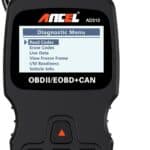
Technicians use an OBD-II scanner to confirm the P0001 code and check for related fuel system codes.
Review Freeze Frame Data
This captures operating conditions at the moment the fault occurred.
Inspect Wiring and Connectors
Visual inspection often reveals damaged wiring, loose terminals, or corrosion.
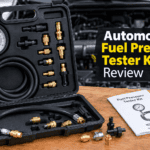
Test Fuel Pressure
Fuel pressure measurements help determine whether the regulator and pump are functioning properly.
Check Regulator Voltage
Technicians measure voltage and continuity to identify open circuits.
Verify ECM Commands
Advanced scan tools allow technicians to observe live data and command fuel system operation.
How to Fix P0001 Code
The correct repair depends on the underlying cause.
Common repairs include:
Replace the Fuel Volume Regulator
If testing confirms regulator failure, replacement is often necessary.
Repair Wiring Damage
Damaged wiring should be repaired or replaced using proper automotive-grade connectors.

Clean Electrical Connectors
Removing corrosion may restore communication.
Replace the Fuel Pump Assembly
If the regulator is integrated into the pump, the entire assembly may require replacement.
Update or Replace the ECM
In rare cases, software updates or ECM replacement solve the issue.
After repairs are completed, the technician clears the code and verifies operation through a test drive.
Common Mistakes When Diagnosing P0001
Some repairs become expensive because the diagnosis was rushed.
Common mistakes include:
- Replacing the fuel pump without testing
- Ignoring damaged wiring
- Clearing codes without fixing the root cause
- Overlooking connector corrosion
- Not checking fuel pressure
Proper testing saves time and money.
Estimated Repair Costs for P0001 Code
Repair costs vary depending on labor rates and vehicle design.
Typical ranges include the following:
| Repair | Estimated Cost |
| Wiring repair | $100–$350 |
| Connector replacement | $80–$250 |
| Fuel volume regulator replacement | $200–$600 |
| Fuel pump replacement | $400–$1,200 |
| ECM repair or replacement | $500–$2,000 |
Luxury and direct-injection vehicles may cost more.
Can Low Fuel Cause a P0001 Code?
Low fuel alone usually does not trigger a P0001 code.
However, repeatedly driving with very low fuel levels can overheat the fuel pump and contribute to fuel delivery issues over time.
If the code appeared shortly after running the tank nearly empty, inspect the fuel system carefully.
How to Prevent P0001 Code in the Future
Preventative maintenance can reduce fuel system failures.
1. Helpful habits include:
2. Replace fuel filters at recommended intervals
3. Use quality fuel
4. Avoid driving constantly on low fuel
5. Inspect wiring during maintenance
6. Address check engine lights early
7. Keep connectors clean and dry
Routine inspections can catch small electrical problems before they become expensive repairs.
Frequently Asked Questions
Can I clear a P0001 code myself?
Yes, an OBD-II scanner can clear the code. However, if the underlying issue remains, the code will usually return.
Will P0001 cause a no-start condition?
Yes. If fuel regulation fails completely, the engine may crank but not start.
Is P0001 expensive to repair?
Repair costs vary widely. Simple wiring repairs may be inexpensive, while fuel pump or ECM replacement can cost significantly more.
Can bad gas cause the P0001 code?
Poor-quality fuel generally does not directly trigger P0001 code, but contaminated fuel can contribute to fuel system issues.
Final Thoughts
A P0001 code points to a problem in the fuel volume regulator control circuit, usually involving electrical faults, damaged wiring, or a failing fuel delivery component.
While some vehicles may continue driving with mild symptoms, ignoring the issue can eventually lead to poor performance, stalling, or a complete no-start condition.
Start with scanning for related codes, inspect wiring and connectors carefully, and verify fuel pressure before replacing parts. Proper diagnosis is the fastest way to solve a P0001 code and avoid unnecessary repair costs.


