







What Does the P0203 Code Mean?
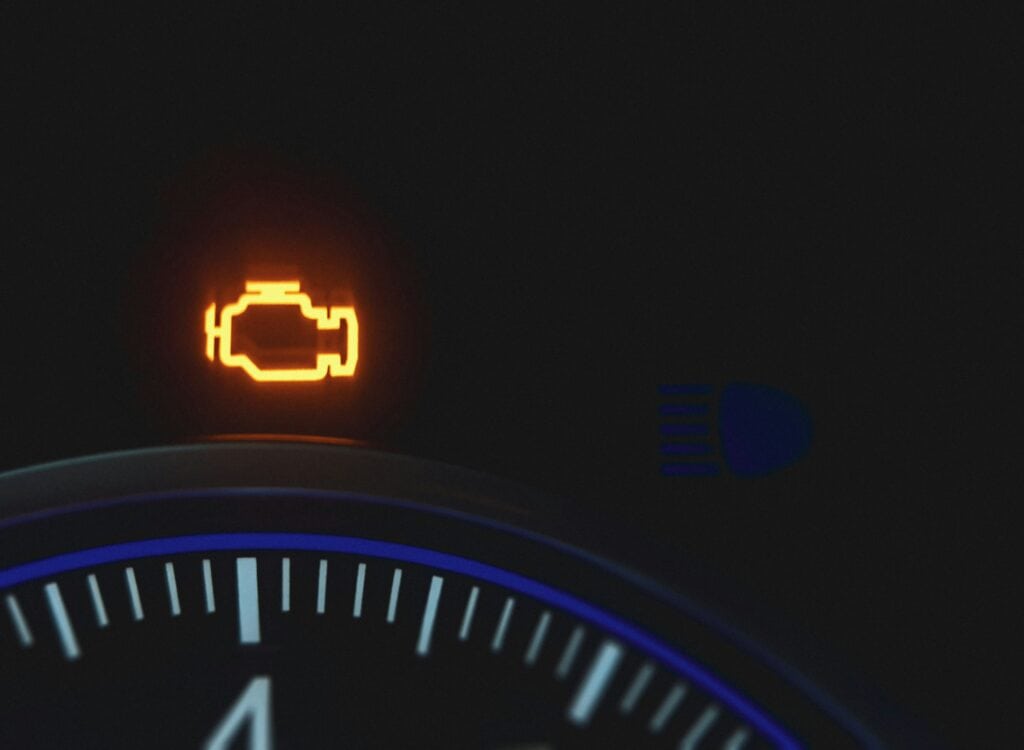
The P0203 diagnostic trouble code (DTC) indicates that the engine control module (ECM) has detected a problem with the electrical circuit for the fuel injector on cylinder 3. Modern vehicles rely on electronically controlled fuel injectors to deliver the correct amount of fuel into each cylinder. When the ECM detects an abnormal voltage or resistance in the cylinder 3 injector circuit, it stores the P0203 code and usually illuminates the Check Engine Light.
This code is considered a powertrain fault and should not be ignored. While some vehicles may continue running, engine performance often suffers, and prolonged driving could lead to additional engine or catalytic converter damage.
Symptoms of a P0203 Code
The symptoms of a P0203 code can vary depending on the severity of the problem. Some drivers may notice only the Check Engine Light, while others experience significant performance issues.
Common symptoms include:
1. Check Engine Light illuminated
2. Rough idle
3. Engine misfire
4. Poor acceleration
5. Reduced engine power
6. Increased fuel consumption
7. Hard starting
8. Engine hesitation
9. Fuel smell from the exhaust
10. Failed emissions test
In severe cases, the vehicle may enter a reduced-power or limp mode to prevent further damage.
Common Causes of a P0203 Code
Several issues can trigger the P0203 code. Identifying the exact cause is essential before replacing any parts.
Common causes include:
1. Faulty fuel injector on cylinder 3
2. Damaged injector wiring
3. Loose or corroded electrical connector
4. Open or shorted injector circuit
5. Poor ground connection
6. Faulty ECM or PCM (rare)
7. Wiring harness damaged by heat or rodents
8. Blown injector-related fuse
9. Internal engine control module driver failure
Because wiring problems are common, a careful visual inspection should always be performed before replacing the injector.
How Serious Is the P0203 Code?
The P0203 code is considered moderately serious. Although many vehicles remain drivable, continuing to drive with a faulty injector circuit can lead to engine misfires that may damage the catalytic converter over time.
A misfiring cylinder also reduces engine efficiency and increases fuel consumption. If the engine runs very rough or flashes the check engine light, avoid unnecessary driving until the issue has been repaired.
How Mechanics Diagnose a P0203 Code
Professional technicians follow a systematic approach to diagnose this fault.
Typical diagnostic steps include the following:
1. Scan for stored diagnostic trouble codes.
2. Record freeze-frame data.
3. Clear the codes and perform a road test.
4. Inspect the cylinder 3 injector connector.
5. Check wiring for damage, corrosion, or loose terminals.
6. Measure injector resistance using a multimeter.
7. Verify injector power supply.
8. Test the ECM injector control signal with a noid light or oscilloscope.
9. Inspect related fuses.
10. Test the injector by swapping it with another cylinder if appropriate.
Proper testing helps avoid replacing good parts unnecessarily.
How to Fix a P0203 Code

The repair depends on what caused the injector circuit fault.
Possible repairs include the following:
1. Replace the faulty fuel injector.
2. Repair damaged wiring.
3. Clean corroded electrical connectors.
4. Replace damaged connector terminals.
5. Repair shorted or open circuits.
6. Replace a blown fuse after finding the cause.
7. Repair poor ground connections.
8. Update or replace the ECM if testing confirms an internal failure.
After repairs are completed, the diagnostic codes should be cleared, and the vehicle should be test-driven to verify the repair.
Can You Drive With a P0203 Code?
Driving with a P0203 code is generally possible if the engine is running reasonably well. However, it is not recommended to continue driving for an extended period.
A persistent engine misfire can:
1. Damage the catalytic converter
2. Increase fuel consumption
3. Cause poor engine performance
4. Increase exhaust emissions
5. Lead to more costly repairs
If the engine is shaking badly or the check engine light is flashing, the vehicle should be repaired as soon as possible.
Common Mistakes When Diagnosing P0203
Many repairs become more expensive because common diagnostic mistakes are made.
These mistakes include:
1. Replacing the injector without testing it
2. Ignoring damaged wiring
3. Failing to inspect electrical connectors
4. Overlooking blown fuses
5. Skipping resistance testing
6. Assuming the ECM is faulty without proper diagnosis
7. Not checking for additional trouble codes
Following a complete diagnostic process usually identifies the root cause quickly.
Estimated Repair Costs
Repair costs vary depending on the vehicle make, labor rates, and the actual cause.
Typical repair costs include the following:
| Repair | Estimated Cost |
|---|---|
| Fuel injector replacement | $150–$450 |
| Injector wiring repair | $100–$350 |
| Connector replacement | $50–$200 |
| Fuse replacement | $20–$80 |
| ECM replacement | $800–$2,000 |
These estimates include both parts and labor for most passenger vehicles.
Frequently Asked Questions
Can a bad fuel injector cause a P0203 code?
Yes. A failed or internally shorted cylinder 3 fuel injector is one of the most common causes of this diagnostic trouble code.
Will fuel injector cleaner fix a P0203 code?
Usually not. Since P0203 is an electrical circuit fault, injector cleaner will not repair damaged wiring, faulty connectors, or electrical failures.
Can low battery voltage cause a P0203 code?
Low system voltage can occasionally trigger injector circuit faults, although this is much less common than wiring or injector problems.
Does P0203 always mean the injector is bad?
No. The injector may be working properly while the real problem is damaged wiring, a loose connector, poor grounding, or an ECM driver issue.
Can I clear the code without fixing it?
You can erase the code using a scan tool, but if the underlying problem remains, the ECM will usually detect the fault again, and the Check Engine Light will return.
Tips to Prevent Future Injector Circuit Problems
Routine maintenance can help reduce the chances of injector-related electrical issues.
Helpful maintenance tips include:
1. Inspect engine wiring during routine service.
2. Keep electrical connectors clean and dry.
3. Repair damaged wiring promptly.
4. Avoid pressure washing directly around engine electrical connectors.
5. Replace worn injector connectors before they fail.
6. Address engine leaks that may contaminate electrical components.
Taking care of the vehicle’s electrical system can help prevent many injector circuit faults.
Final Thoughts
The P0203 code indicates a malfunction in the cylinder 3 fuel injector circuit. While the cause is often a faulty injector, damaged wiring, loose connectors, or electrical faults are equally common. Proper diagnosis is the key to finding the exact problem without replacing unnecessary parts.
If your vehicle displays the P0203 code, inspect the injector circuit carefully and perform the necessary electrical tests before replacing components. Fixing the issue promptly helps restore smooth engine performance, improves fuel efficiency, and prevents more expensive repairs in the future.


