



What Does the P0400 Code Mean?
The P0400 diagnostic trouble code indicates an Exhaust Gas Recirculation (EGR) Flow Malfunction. This generic OBD-II trouble code means the engine control module (ECM) has detected that the EGR system is not allowing the correct amount of exhaust gas to flow back into the engine.
The EGR system is an important emissions control component found on most gasoline and diesel vehicles. Its job is to recirculate a small amount of exhaust gas into the intake manifold, reducing combustion temperatures and lowering nitrogen oxide (NOx) emissions. When the ECM detects that the expected EGR flow is too low, too high, or missing altogether, it stores the P0400 code and turns on the Check Engine Light.
Although the vehicle may continue to drive normally, ignoring the code can eventually lead to poor engine performance, increased emissions, and reduced fuel economy.
Symptoms of a P0400 Code
The symptoms of a P0400 code vary depending on the vehicle and the severity of the problem. Some drivers only notice the Check Engine Light, while others experience noticeable drivability issues.
Common symptoms include:
1. Check Engine Light illuminated
2. Rough or unstable idle
3. Engine hesitation during acceleration
4. Reduced engine power
5. Poor fuel economy
6. Engine knocking or pinging
7. Failed emissions inspection
8. Increased exhaust emissions
9. Occasional engine stalling
Some vehicles may show almost no symptoms other than the warning light, especially during normal highway driving.
What Causes a P0400 Code?
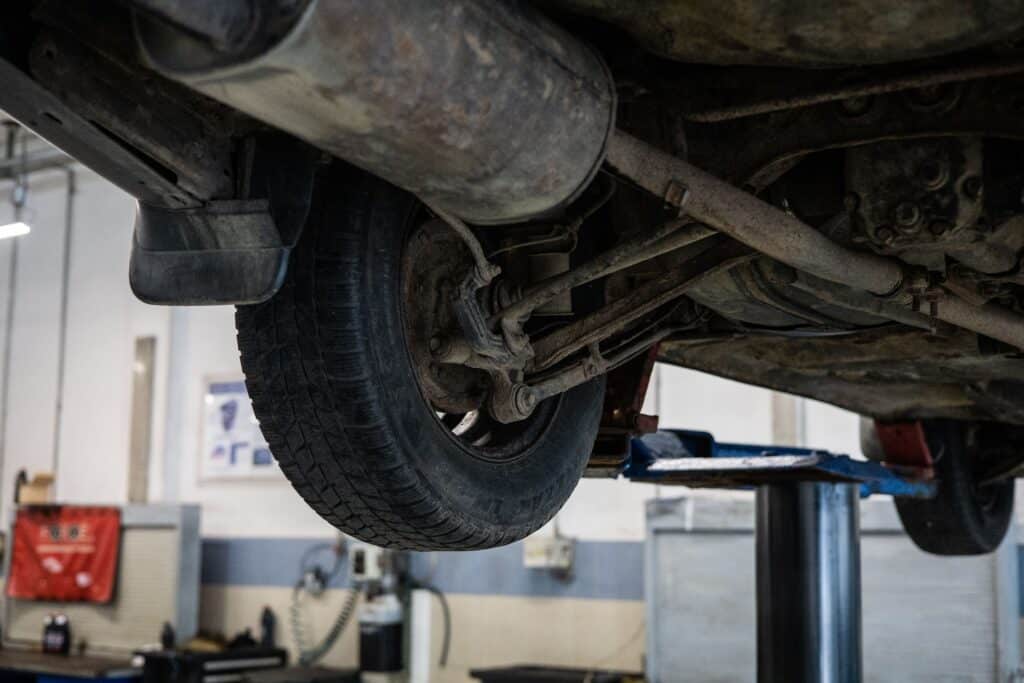
Several different faults can cause the P0400 trouble code. Carbon buildup inside the EGR passages is one of the most common causes, especially on higher-mileage vehicles.
Other possible causes include:
1. Clogged EGR passages
2. Faulty EGR valve
3. Stuck-open EGR valve
4. Stuck-closed EGR valve
5. Carbon buildup inside the intake manifold
6. Broken or disconnected vacuum hoses
7. Vacuum leaks
8. Faulty EGR vacuum solenoid
9. Failed DPFE sensor
10. Faulty EGR pressure sensor
11. Damaged wiring
12. Loose or corroded electrical connectors
13. Restricted exhaust passages
14. Faulty engine control module (rare)
Since many different components can trigger the code, replacing parts without proper testing can become expensive and may not solve the problem.
How Serious Is a P0400 Code?
The P0400 code is generally considered a moderate problem. Most vehicles remain drivable, but repairs should not be delayed for too long.
A malfunctioning EGR system can cause combustion temperatures to increase, which may lead to spark knock or engine pinging. Over time, higher combustion temperatures may contribute to increased engine wear. Fuel economy may also decrease because the engine is no longer operating as efficiently as designed.
In addition, the vehicle will likely fail an emissions inspection until the underlying issue has been repaired and the trouble code has been cleared.
How to Diagnose a P0400 Code
The first step is connecting an OBD-II scan tool to verify the stored trouble code and check for any additional codes that may be related.
Record the freeze-frame data before clearing any codes. This information can help identify the operating conditions when the fault occurred.
Perform a visual inspection of the entire EGR system. Look for damaged vacuum hoses, disconnected electrical connectors, corroded terminals, broken wiring, or signs of exhaust leaks.
Inspect the EGR valve for excessive carbon deposits that may prevent it from opening or closing properly. Carbon buildup is one of the leading causes of restricted EGR flow.
If your scan tool supports active testing, command the EGR valve to open while the engine is idling. A properly functioning EGR valve usually causes the idle speed to change. If there is no change, the passages may be blocked or the valve may not be operating correctly.
Vehicles equipped with vacuum-operated EGR valves can be tested using a handheld vacuum pump. If the valve responds correctly but the engine idle does not change, clogged passages are often the cause.
The EGR pressure sensor or DPFE sensor should also be tested according to the manufacturer’s specifications.
How to Fix a P0400 Code
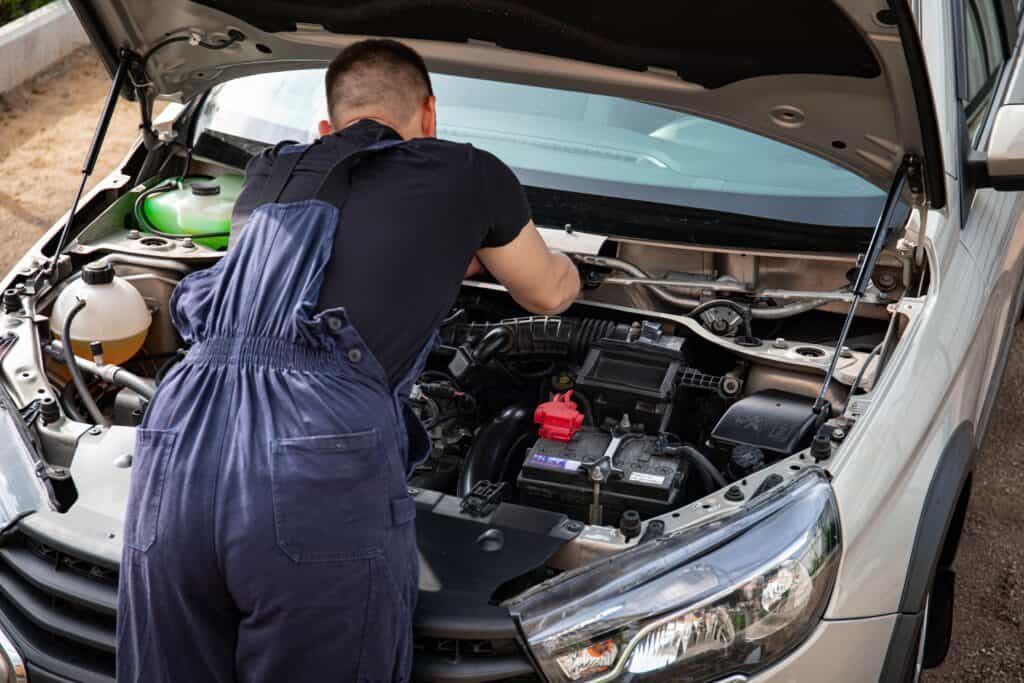
The correct repair depends on what caused the malfunction. In many cases, simply cleaning carbon deposits from the EGR valve and passages restores proper operation.
Possible repairs include:
1. Clean the EGR valve
2. Clean clogged EGR passages
3. Remove carbon buildup from the intake manifold
4. Replace a faulty EGR valve
5. Replace damaged vacuum hoses
6. Repair vacuum leaks
7. Replace the EGR vacuum solenoid
8. Replace the DPFE sensor
9. Replace the EGR pressure sensor
10. Repair damaged wiring
11. Clean blocked exhaust passages
12. Repair electrical connectors
13. Replace the engine control module if testing confirms failure
After repairs are completed, clear the diagnostic code and perform a road test to verify the repair.
Can You Drive With a P0400 Code?
Most vehicles can still be driven safely with a P0400 code, particularly if the only symptom is the check engine light. However, it is not recommended to ignore the problem for an extended period.
Reduced EGR flow can increase engine temperatures and emissions while lowering fuel efficiency. Continued operation may also increase carbon buildup throughout the intake system.
If the engine begins to stall, hesitate severely, or knock excessively, repairs should be made before continuing to drive the vehicle.
Common Mistakes When Repairing a P0400 Code
One of the most common mistakes is replacing the EGR valve immediately without checking for clogged passages. Many EGR valves are replaced unnecessarily when the real problem is carbon buildup inside the intake manifold.
Another mistake is overlooking vacuum leaks or damaged vacuum hoses. Even a small leak can prevent the EGR valve from operating correctly.
Technicians sometimes replace sensors before testing them, leading to unnecessary repair costs. Electrical wiring and connectors should also be inspected carefully before replacing major components.
Performing a complete diagnosis before purchasing replacement parts can save both time and money.
Repair Costs for a P0400 Code
Repair costs vary depending on the vehicle, engine design, labor rates, and which component has failed.
Typical repair costs include the following:
1. EGR valve cleaning: $50–$150
2. Vacuum hose replacement: $20–$80
3. EGR valve replacement: $200–$500
4. DPFE sensor replacement: $120–$300
5. EGR solenoid replacement: $100–$250
6. Intake manifold cleaning: $250–$700
7. Wiring repair: $100–$400
Luxury vehicles or engines with difficult access may require additional labor, increasing the total repair cost.
How to Prevent a P0400 Code
While not every EGR system failure can be prevented, regular maintenance greatly reduces the risk of carbon buildup and component failure.
Routine oil changes, replacing the engine air filter at recommended intervals, and using high-quality fuel all help keep the engine cleaner. Promptly repairing vacuum leaks and addressing Check Engine Lights before they become larger problems can also help extend the life of the EGR system.
Keeping the engine properly maintained reduces carbon deposits and helps the EGR valve continue operating as intended.
Frequently Asked Questions
Many drivers wonder whether a bad EGR valve always causes a P0400 code. While a faulty valve is a common cause, clogged passages, vacuum leaks, faulty sensors, and damaged wiring can also trigger the code.
Some people ask whether the code will clear itself. In most cases, it will not. Even if the symptoms temporarily disappear, the ECM usually keeps the code stored until the problem is repaired and the code is cleared with a scan tool or enough successful drive cycles occur.
Another common question is whether low-quality fuel can cause a P0400 code. Poor fuel does not directly trigger the code, but it can contribute to carbon buildup inside the EGR system over time, eventually restricting exhaust flow.
Drivers also frequently ask if the P0400 code is emissions related. The answer is yes. Since the EGR system is part of the vehicle’s emissions control system, a malfunction often results in a failed emissions inspection.
Final Thoughts
The P0400 code indicates that the engine control module has detected improper flow through the exhaust gas recirculation system. While many vehicles remain drivable, the issue should be diagnosed and repaired as soon as practical to prevent reduced fuel economy, increased emissions, and potential engine performance problems.
Most repairs involve cleaning carbon buildup, repairing vacuum leaks, replacing faulty sensors, or installing a new EGR valve. Performing a thorough diagnosis before replacing parts helps ensure the correct repair is made the first time. Regular maintenance and prompt attention to warning lights can also reduce the chances of the P0400 code returning in the future.