







What Does the P0403 Code Mean?
The P0403 diagnostic trouble code (DTC) indicates an EGR “A” Control Circuit/Open malfunction. This code is stored when the engine control module (ECM) or powertrain control module (PCM) detects an electrical problem in the exhaust gas recirculation (EGR) valve control circuit. Instead of monitoring exhaust gas flow, the computer has identified that the electrical circuit controlling the EGR valve is open, interrupted, or operating outside the expected voltage range.
The EGR system is an important emissions control component found on most gasoline and diesel engines. Its purpose is to reduce nitrogen oxide (NOx) emissions by recirculating a small amount of exhaust gas back into the engine’s intake manifold. This lowers combustion temperatures and helps the vehicle meet emissions regulations.
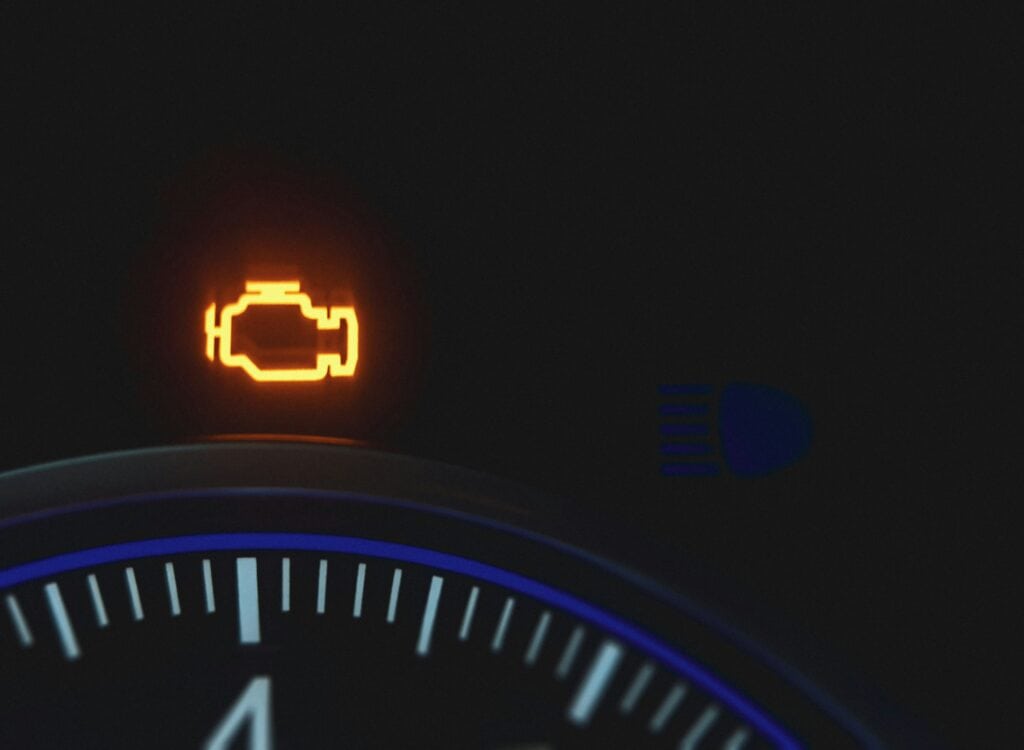
When the control circuit cannot properly operate the EGR valve, the PCM stores the P0403 code and usually illuminates the check engine light.
How the EGR System Works
The exhaust gas recirculation system reduces harmful emissions by allowing a measured amount of exhaust gas to mix with the incoming air-fuel mixture. The recycled exhaust gases lower combustion temperatures, reducing the formation of nitrogen oxides.
Modern vehicles typically use an electronically controlled EGR valve. The PCM sends electrical signals to the valve, opening and closing it based on engine speed, temperature, throttle position, and engine load.
If the PCM detects an open circuit, excessive resistance, low voltage, or no electrical response from the EGR valve, it sets the P0403 code.
Symptoms of a P0403 Code
Some vehicles continue to drive normally even after the P0403 code appears, while others may develop noticeable drivability issues.
Common symptoms include:
1. Check Engine Light illuminated
2. Rough or unstable idle
3. Engine hesitation during acceleration
4. Reduced engine performance
5. Poor fuel economy
6. Increased exhaust emissions
7. Failed emissions inspection
8. Occasional engine stalling
9. The engine may enter reduced-power mode on some vehicles
The severity of the symptoms depends on how the engine management system responds to the EGR circuit fault.
Common Causes of the P0403 Code
Several electrical problems can trigger a P0403 code. Proper diagnosis is necessary before replacing any parts.

The most common causes include:
1. Faulty electronic EGR valve
2. Failed EGR control solenoid
3. Open circuit in the wiring harness
4. Short circuit to power or ground
5. Loose electrical connectors
6. Corroded connector terminals
7. Damaged wiring caused by heat or vibration
8. Blown fuse supplying power to the EGR system
9. Poor ground connection
10. Faulty PCM or ECM (rare)
Because wiring problems are common, inspecting the electrical system should always be the first step.
How Serious Is a P0403 Code?
A P0403 code is generally considered a moderate fault. Although many vehicles remain drivable, the emissions system is no longer functioning correctly.
Ignoring the problem may result in:
1. Increased exhaust emissions
2. Reduced fuel efficiency
3. Failed emissions testing
4. Poor engine performance
5. Additional diagnostic trouble codes developing over time
If drivability symptoms become severe, repairs should be completed as soon as possible.
How to Diagnose a P0403 Code
Diagnosing the P0403 code requires a systematic approach.
Begin by connecting an OBD-II scanner and confirming the stored code. Check for additional trouble codes that could indicate related electrical or emissions system problems.
Next, perform a visual inspection of the EGR valve and its wiring.
Look for:
1. Broken wires
2. Melted insulation
3. Frayed wiring
4. Loose connectors
5. Corrosion inside electrical connectors
6. Bent or damaged terminals
After the visual inspection, use a digital multimeter to verify the electrical circuit.
Check:
1. Battery voltage at the EGR connector
2. Ground continuity
3. Wiring continuity between the PCM and EGR valve
4. Resistance of the EGR valve solenoid
If the wiring tests good, use a professional scan tool to command the EGR valve on and off. The valve should respond immediately. If it does not, the valve itself may be faulty.
Only after every electrical component has been tested should the PCM be considered as a possible cause.
How to Fix the P0403 Code
The repair depends on the root cause identified during diagnosis.
Possible repairs include the following:
1. Replace the faulty EGR valve
2. Replace the EGR control solenoid
3. Repair broken wiring
4. Replace damaged wiring harness sections
5. Clean or replace corroded electrical connectors
6. Repair poor ground connections
7. Replace blown fuses
8. Repair short circuits
9. Reprogram or replace the PCM if necessary
Once repairs are completed, clear the trouble codes using a scan tool and perform a road test to ensure the P0403 code does not return.
Can You Drive With a P0403 Code?
In many cases, yes. A vehicle with a P0403 code can often still be driven safely for a short period if there are no major drivability problems.
However, continuing to drive without repairing the fault is not recommended. The malfunction can increase emissions and may eventually lead to rough engine operation, reduced fuel economy, or additional engine performance issues.
If the engine begins stalling, hesitating, or losing power, repairs should be completed immediately.
Common Mistakes When Diagnosing P0403
One of the biggest mistakes is replacing the EGR valve without testing the electrical circuit first.
Other common diagnostic errors include:
1. Skipping a visual wiring inspection
2. Ignoring damaged connectors
3. Failing to check fuse continuity
4. Not verifying power and ground
5. Replacing the PCM before confirming every other possibility
6. Clearing codes without completing repairs
A careful diagnostic process can prevent unnecessary parts replacement and reduce repair costs.
Typical Repair Costs
Repair costs vary depending on the vehicle make, model, and the exact cause of the fault.
Typical repair estimates include the following:
1. Wiring repair: $75–$250
2. Connector replacement: $25–$100
3. EGR valve replacement: $180–$500
4. EGR solenoid replacement: $80–$300
5. Fuse replacement: $10–$50
6. PCM replacement and programming: $700–$1,500
Labor costs can vary significantly between repair shops and geographic locations.
How to Prevent Future EGR Circuit Problems
Although electrical failures cannot always be avoided, regular maintenance can reduce the risk of future problems.
Helpful maintenance practices include:
1. Inspect engine wiring during routine service
2. Secure loose wiring away from hot engine components
3. Repair damaged insulation immediately
4. Keep electrical connectors clean and free of moisture
5. Replace broken connector clips
6. Address oil or coolant leaks that may contaminate electrical components
7. Investigate Check Engine Light warnings promptly
Routine inspections often catch minor electrical issues before they become more expensive repairs.
Frequently Asked Questions
What does “Control Circuit/Open” mean?
A control circuit open means the PCM has detected that the electrical path controlling the EGR valve has been interrupted. This can be caused by broken wiring, a disconnected connector, a failed solenoid, or an internal fault within the EGR valve.
Will clearing the code fix the problem?
No. Clearing the code only removes it temporarily. If the electrical fault still exists, the PCM will detect it again during normal vehicle operation, and the code will return.
Can a bad battery trigger a P0403 code?
Low battery voltage can occasionally contribute to electrical fault codes, but it is rarely the primary cause of a P0403 code. The EGR circuit should still be thoroughly tested before replacing any components.
Is the P0403 code the same on every vehicle?
The basic definition of P0403 is standardized across OBD-II vehicles. However, the exact diagnostic procedures, wiring configuration, and repair steps may vary between manufacturers.
Final Thoughts
The P0403 – EGR “A” Control Circuit/Open code indicates that the engine computer has detected an electrical fault preventing proper control of the EGR valve. In most cases, the problem is related to damaged wiring, poor electrical connections, a faulty EGR valve, or a failed control solenoid rather than a mechanical blockage in the EGR system.
A thorough inspection of the wiring, connectors, power supply, ground, and EGR valve should always be performed before replacing parts. Accurate diagnosis helps avoid unnecessary expenses and ensures the emissions system operates correctly. Once the underlying electrical fault is repaired and the code is cleared, the check engine light should remain off, and the vehicle should return to normal operation.


