



If your check engine light is on and your vehicle’s diagnostic scanner shows the P0406 code, you may be dealing with a problem involving the exhaust gas recirculation (EGR) system. The P0406 trouble code means that the engine computer has detected a high voltage signal from the EGR sensor A circuit.
The EGR system plays an important role in controlling emissions and reducing combustion temperatures inside the engine. When the EGR sensor sends an incorrect signal, the engine control module (ECM) may not be able to properly control exhaust gas recirculation. This can result in rough engine operation, reduced performance, increased emissions, or other drivability problems.
In this guide, we’ll explain what the P0406 code means, its common symptoms and causes, how to diagnose the problem, and what you can do to repair it.
What Does the P0406 Code Mean?
The diagnostic trouble code P0406 – Exhaust Gas Recirculation Sensor A Circuit High indicates that the ECM has detected a voltage signal from the EGR position sensor that is higher than the expected range.
Many modern vehicles use an electronically controlled EGR valve with a built-in position sensor. This sensor tells the ECM how far the EGR valve is open. The computer compares the sensor signal with the expected position and uses that information to control the EGR system.
If the sensor signal remains too high or goes above the manufacturer’s specified voltage range, the ECM can set the P0406 code and turn on the check engine light.
What Is the EGR System?
EGR stands for Exhaust Gas Recirculation. The purpose of the EGR system is to redirect a controlled amount of exhaust gas back into the engine’s intake system.
Exhaust gas contains less oxygen than fresh air. Introducing a measured amount of exhaust gas into the combustion process can reduce combustion temperatures and help decrease the formation of nitrogen oxide (NOx) emissions.
The EGR valve must open and close at the correct times. The EGR position sensor provides feedback to the ECM so it knows whether the valve is actually moving to the position requested by the computer.
Common Symptoms of P0406
The symptoms associated with P0406 can vary depending on the vehicle, engine, and severity of the problem. Some drivers may notice only a check engine light, while others may experience noticeable drivability problems.
Common symptoms can include:
1. Check engine light
2. Rough or unstable idle
3. Engine hesitation during acceleration
4. Reduced engine performance
5. Poor acceleration
6. Engine stalling
7. Increased fuel consumption
8. Increased exhaust emissions
9. Engine knocking or pinging under certain conditions
In some cases, the vehicle may continue to drive relatively normally despite the P0406 code. However, ignoring the problem for an extended period can lead to additional EGR or engine-related issues.
Common Causes of the P0406 Code
Video from HVAC Mechanic
Several problems can cause the EGR sensor A circuit to produce a high voltage signal. The most common causes include an electrical problem, a faulty EGR position sensor, or an issue with the EGR valve itself.
Possible causes include the following:
1. Faulty EGR valve
2. Defective EGR position sensor
3. Damaged or shorted wiring
4. Corroded electrical connectors
5. Poor electrical connection
6. Carbon buildup around the EGR valve
7. Incorrect reference voltage
8. Ground circuit problems
9. Problems with the ECM
A wiring problem is especially important to check because a short to voltage can cause the EGR sensor signal to become higher than expected.
How to Diagnose the P0406 Code
Proper diagnosis is important because replacing the EGR valve immediately is not always the correct solution. A faulty wire, connector, or sensor can produce the same trouble code.
1. Scan for trouble codes
Start by connecting an OBD-II scanner to the vehicle. Record the P0406 code and check for any additional trouble codes. Other EGR-related codes can provide useful clues about what is happening.
2. Inspect the EGR wiring
Locate the EGR valve and carefully inspect its wiring harness and connector. Look for damaged insulation, broken wires, corrosion, loose terminals, or signs that the wiring has contacted hot engine components.
3. Check the electrical connector
Disconnect the EGR connector and inspect the terminals. Dirt, moisture, corrosion, or loose connections can interfere with the sensor signal.
4. Check the sensor voltage
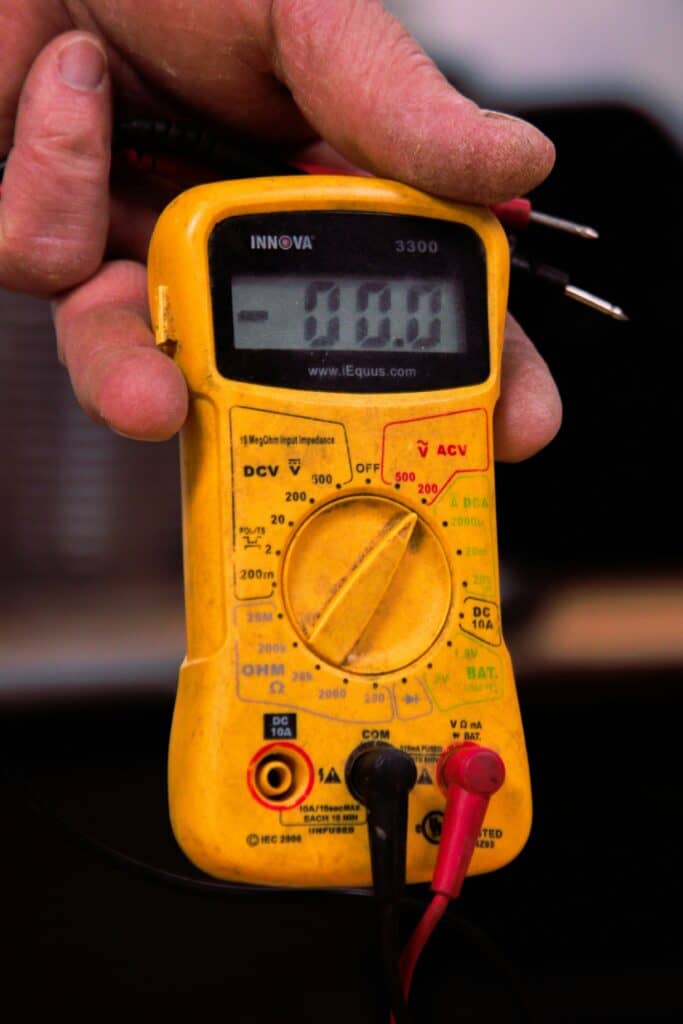
Using a digital multimeter and the vehicle manufacturer’s wiring diagram, check the EGR sensor’s reference voltage, ground, and signal circuits. The correct voltage specifications vary by vehicle, so always compare your readings with the manufacturer’s specifications.
A signal that is higher than the specified range can indicate a sensor problem or an electrical issue affecting the signal circuit.
5. Inspect the EGR valve
Check the EGR valve for excessive carbon buildup or mechanical problems. Carbon deposits can interfere with valve movement and may cause the position sensor to report an unexpected valve position.
6. Check the EGR position sensor
If the wiring, connector, reference voltage, and ground are working correctly, the EGR position sensor itself may be defective. Depending on the vehicle design, the sensor may be integrated into the EGR valve, meaning the complete valve assembly may need to be replaced.
How to Fix the P0406 Code
The correct repair depends on the cause of the high sensor signal. Possible repairs include the following:
1. Repairing damaged EGR wiring
2. Replacing a corroded electrical connector
3. Cleaning electrical terminals
4. Cleaning excessive carbon deposits from the EGR system
5. Replacing the EGR position sensor
6. Replacing the EGR valve assembly
7. Repairing a faulty ground or reference voltage circuit
8. Addressing an ECM problem when properly diagnosed
After completing the repair, clear the stored trouble code with an OBD-II scanner. The vehicle should then be driven under normal conditions to determine whether the code returns.
Can You Drive With a P0406 Code?
In many cases, a vehicle with P0406 can still be driven, particularly if the engine is running normally and there are no serious drivability symptoms. However, driving with an unresolved EGR problem can affect emissions, fuel economy, and engine performance.
If the vehicle is stalling, running very poorly, overheating, or experiencing severe loss of power, it is better to stop driving and diagnose the problem before continuing.
Is P0406 a Serious Problem?
P0406 is generally not considered an immediate engine-destroying fault, but it should not be ignored. The EGR system is part of the vehicle’s emissions and engine management system, and an incorrect sensor signal can cause the ECM to operate the system incorrectly.
The seriousness of the problem depends on the underlying cause. A loose connector may require a simple repair, while a failed EGR valve or damaged wiring harness may require more extensive work.
How Much Does It Cost to Fix P0406?
The repair cost for P0406 varies significantly depending on the vehicle and the actual cause of the fault. A simple wiring or connector repair may be relatively inexpensive, while replacing an EGR valve can cost considerably more.
Before purchasing replacement parts, it is a good idea to diagnose the circuit carefully. Replacing the EGR valve without confirming that it is faulty can result in unnecessary parts and labor costs.
Final Thoughts on P0406
The P0406 code means that the vehicle’s ECM has detected a high signal from the EGR Sensor A circuit. While a faulty EGR sensor or valve can cause the problem, damaged wiring, poor connections, carbon buildup, and electrical circuit problems can also trigger the code.
The best approach is to diagnose the entire EGR circuit before replacing parts. Start with the trouble codes, inspect the wiring and connector, verify the sensor’s reference voltage and ground, and then test the EGR valve and position sensor according to the manufacturer’s specifications.
Once the underlying problem has been repaired, clear the code and verify that it does not return. Proper diagnosis can help you identify the real cause of P0406 and get the vehicle’s EGR system working correctly again.