





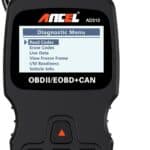


If your check engine light suddenly appears and your scanner shows a P0455 code, you are dealing with an EVAP system large leak detected problem. While this diagnostic trouble code can sound serious, the good news is that many P0455 issues are relatively simple and inexpensive to repair. In many cases, the fix can be as easy as tightening or replacing the gas cap. Here are the steps to get your P0455 code fixed.
Understanding what causes a P0455 code, the symptoms associated with it, and the proper repair process can help you save time and money. This guide explains everything you need to know about diagnosing and repairing a P0455 trouble code.
What Does the P0455 Code Mean?
The P0455 diagnostic trouble code stands for:
“Evaporative Emission Control System Leak Detected (Large Leak)”
Modern vehicles use an EVAP (Evaporative Emission Control) system to prevent gasoline vapors from escaping into the atmosphere. Instead of allowing fuel vapors to vent directly into the air, the EVAP system captures and stores them inside a charcoal canister until the engine can burn them properly.
When the vehicle’s computer detects a major leak in this sealed system, it triggers the P0455 code and illuminates the check engine light.
A large leak does not always mean there is a massive hole in the system. Even a loose gas cap or disconnected hose can trigger the code.
Common Symptoms of a P0455 Code
One frustrating aspect of a P0455 code is that many vehicles drive normally despite the problem. However, there are still several symptoms you may notice.
Common P0455 code fix symptoms include the following:
1. Check engine light illuminated
2. Fuel smell near the vehicle
3. Slight decrease in fuel economy
4. Failed emissions test
5. Hard starting after refueling
5. Rough idle in some cases
Most drivers first discover the problem after scanning the vehicle with an OBD2 scanner.
What Causes a P0455 Code?
Several components can cause an EVAP system large leak. Some are extremely common, while others require more advanced diagnosis.
1. Loose or Damaged Gas Cap
The gas cap is the number one cause of a P0455 code. If the cap is loose, cracked, or unable to seal properly, the EVAP system loses pressure and the computer detects a leak.
A missing gas cap will almost always trigger a P0455 code. Some vehicles don’t have a gas cap, so it could be other symptoms listed in this article’s post.
2. Cracked EVAP Hoses
Rubber hoses and plastic vapor lines can crack over time due to heat, age, and road debris. Even small splits can create enough leakage to trigger the code.
3. Faulty Purge Valve
The purge valve controls fuel vapor flow from the charcoal canister to the engine. If the valve becomes stuck open or stuck closed, it can create pressure problems inside the EVAP system. Stuck closed can prevent your car’s EVAP (Evaporative Emission Control) system from safely cycling fuel vapors back into the engine. Stuck open can disrupt your engine’s precise air-to-fuel ratio by continuously dumping unmetered fuel vapors and fresh air into the intake manifold.
4. Bad Vent Valve or Solenoid
The vent valve helps regulate airflow through the EVAP system. When it fails, the system may not seal properly during self-testing.
5. Damaged Charcoal Canister
The charcoal canister stores fuel vapors temporarily. Cracks, internal damage, or fuel saturation can cause leaks and trigger the P0455 code.
6. Fuel Tank or Filler Neck Damage
In some cases, corrosion or physical damage near the fuel tank or filler neck may allow vapor leaks.
How Serious Is a P0455 Code?
A P0455 code is usually not considered an emergency repair. Most vehicles continue driving normally because the EVAP system primarily controls emissions rather than engine performance.
However, you should not ignore the issue for too long.
Risks of ignoring a P0455 code:
1. The vehicle may fail emissions testing
2. Fuel vapors can escape into the air
3. Fuel economy may decrease slightly
4. Additional EVAP problems can develop
5. The check engine light may hide other new problems
6. If you smell strong gasoline odors, repair the issue as soon as possible.
How to Repair a P0455 Code Fix
Repairing a P0455 code involves identifying where the EVAP leak is occurring. Here are the most effective troubleshooting steps.
Step 1: Tighten or Replace the Gas Cap
Always start with the simplest fix first.

Inspect the gas cap for:
1. Cracked rubber seal
2. Broken threads
3. Loose fitment
4. Dirt or debris on the sealing surface
5. Remove the cap and reinstall it securely until it clicks several times.
If the gas cap looks worn or damaged, replace it with a quality OEM or OEM-style replacement.
After replacing the cap:
- Clear the code with a scanner
- Drive normally for several days
- Check if the light returns
Many P0455 repairs end here.
Step 2: Inspect EVAP Hoses and Vapor Lines
If the code returns, visually inspect all accessible EVAP hoses.
Look for:
1. Cracks
2. Dry rot
3. Disconnected hoses
4. Broken plastic connectors
5. Damage near the fuel tank
Pay close attention to areas exposed to heat and road salt.
A damaged hose is often inexpensive and easy to replace.
Step 3: Check the Purge Valve
The EVAP purge valve is another common failure point.
Signs of a bad purge valve:
1. Rough idle
2. Hard starting after fueling
3. Fuel smell
4. Poor fuel economy
You can test the valve manually:
1. Remove the valve
2. Blow through it without power applied
3. If air passes through freely, it may be stuck open
Many vehicles have inexpensive purge valves that are simple to replace with basic tools.
Step 4: Inspect the EVAP Vent Valve
The vent valve allows fresh air into the EVAP system during operation. Dirt, moisture, and corrosion can cause the valve to stick or fail.
Some vent valves are mounted near the charcoal canister underneath the vehicle, where they are exposed to harsh weather conditions.
Replacing a faulty vent valve often resolves stubborn EVAP codes.
Step 5: Perform a Smoke Test
A smoke test is the most accurate way to find EVAP leaks.
During the test:
- Smoke is pumped into the EVAP system
- The system is sealed
- Escaping smoke reveals the leak location
Professional smoke testing equipment can quickly identify:
1. Cracked hoses
2. Bad seals
3. Leaking canisters
4. Hidden vapor leaks
If you cannot locate the problem visually, a smoke test is highly recommended.
Average Repair Costs for P0455 Code Fix
Repair costs vary depending on which component failed or make and model of the vehicle. Could be way more because of the vehicle being expensive.
| Repair | Average Cost |
|---|---|
| Gas cap replacement | $15–$40 |
| EVAP hose repair | $20–$100 |
| Purge valve replacement | $50–$200 |
| Vent valve replacement | $75–$250 |
| Smoke test diagnosis | $80–$150 |
| Charcoal canister replacement | $150–$500 |
DIY repairs can significantly reduce costs.
Can You Drive With a P0455 Code?
In most situations, yes. A P0455 code generally does not create immediate engine damage.
However, there are exceptions.
Avoid driving if:
1. You smell strong gasoline fumes
2. Fuel is visibly leaking
3. The engine runs poorly
4. Multiple warning lights appear
Otherwise, the vehicle is usually safe for short-term driving until repairs are completed.

Preventing Future P0455 Code Fix
Proper maintenance can help prevent future EVAP leaks.
Helpful prevention tips:
1. Tighten the gas cap fully after refueling
2. Replace worn gas caps proactively
3. Avoid overfilling the fuel tank
4. Inspect hoses during oil changes
5. Repair small EVAP issues early
Simple preventive maintenance can save you from expensive repairs later.
Final Thoughts on P0455 Code Fixes
A P0455 code may look intimidating at first, but many causes are simple and affordable to repair. The most common fix is replacing a loose or damaged gas cap, though cracked hoses, faulty purge valves, and vent valve problems are also frequent causes.
The key to a P0455 code fix is following a step-by-step diagnostic process. Start with the gas cap, inspect hoses carefully, and use a smoke test if necessary.
If you repair the issue properly, the check engine light should stay off, and your EVAP system will operate normally again.


