







If your check engine light suddenly appears and a scan tool shows P0500, you may be wondering whether it’s safe to drive and how serious the issue really is.
The P0500 fault code stands for Vehicle Speed Sensor (VSS) Malfunction. This code appears when your vehicle’s computer detects incorrect, missing, or inconsistent speed information from the vehicle speed sensor.
Your vehicle relies on accurate speed readings for much more than just the speedometer. The transmission, ABS system, cruise control, and engine management systems often depend on this data to operate correctly.
In this guide, you’ll learn:
1. What P0500 means
2. Common symptoms
3. Main causes
4. How mechanics diagnose it
5. Typical repair costs
6. Whether you can continue driving
What Does P0500 Fault Code Mean?
Diagnostic Trouble Code (DTC) P0500 indicates that the Engine Control Module (ECM) or Powertrain Control Module (PCM) has detected an issue with the vehicle speed sensor circuit.
The vehicle speed sensor monitors wheel or transmission output speed and sends information to the engine computer.
When the speed signal becomes unreliable, the computer stores code P0500 and may trigger the check engine light.
How the Vehicle Speed Sensor Works
The Vehicle Speed Sensor (VSS) tracks rotational speed and converts it into an electrical signal.
That information is used to:
1. Display vehicle speed
2. Control automatic transmission shifting
3. Operate cruise control
4. Assist ABS and traction control systems
5. Adjust fuel delivery and ignition timing
If the signal disappears or becomes inaccurate, multiple systems may stop working properly.
Common Symptoms of P0500 Fault Code
Depending on the vehicle make and severity of the issue, symptoms may include the following:
1. Check Engine Light
The most common symptom is the illuminated check engine light.
2. Speedometer Stops Working

You may notice:
1. Speed reading jumps around
2. Speedometer stays at zero
3. Incorrect vehicle speed displayed
3. Transmission Shifting Problems
Automatic vehicles may experience:
1. Hard shifts
2. Delayed shifting
3. Transmission staying in one gear
4. Cruise Control Failure
Cruise control may disable itself because it cannot verify road speed.
5. ABS or Traction Control Warning Lights
Some vehicles integrate wheel speed information across multiple control modules.
What Causes a P0500 Fault Code?
Several issues can trigger this fault.
Faulty Vehicle Speed Sensor
Over time, sensors can fail internally due to heat, vibration, or contamination.
Damaged Wiring
Broken wires, corrosion, or loose connectors can interrupt the signal.
Bad Sensor Connector
A poor electrical connection often causes intermittent failures.
Damaged Reluctor Ring
A cracked or dirty tone ring can produce incorrect speed readings.
Transmission Issues
Internal transmission problems may prevent accurate speed detection.
Faulty ABS Wheel Speed Sensor
On certain vehicles, wheel speed sensors also provide vehicle speed information.
ECM or PCM Failure (Rare)
In uncommon cases, the control module itself may be defective.
How to Diagnose P0500 Fault Code
If you want to troubleshoot the problem yourself, follow these steps.
Step 1: Scan for Additional Codes
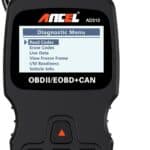
Use an OBD2 scanner and check for:
1. ABS codes
2. Transmission codes
3. Wheel speed sensor codes
Multiple codes often point to the root cause.
Step 2: Inspect the Speed Sensor
Locate the sensor and look for:
1. Broken housing
2. Dirt buildup
3. Loose mounting
Step 3: Check Wiring
Inspect:
1. Frayed wires
2. Corrosion
4. Damaged insulation
5. Loose connectors
Step 4: View Live Data
Using a scan tool:
1. Monitor vehicle speed
2. Compare wheel speed readings
3. Check for signal dropouts
Step 5: Test Sensor Voltage
Use a multimeter to confirm the sensor receives proper voltage and ground.

How to Fix P0500 Fault Code
Repairs depend on the exact cause.
Replace the Vehicle Speed Sensor
This is one of the most common fixes.
Estimated cost:
1. Parts: $40–$200
2. Labor: $80–$250
Repair Damaged Wiring
Electrical repairs may involve:
1. Replacing connectors
2. Repairing broken wires
3. Cleaning corrosion
Estimated cost:
1. $50–$300
Replace Wheel Speed Sensor
If ABS controls speed reporting:
Estimated cost:
1. $100–$350
Repair Transmission Components
Transmission related repairs can range widely depending on severity.
Estimated cost:
1. $300–$2,000+
Can You Drive With a P0500 Fault Code?
Technically, yes, but it depends on the symptoms.
If the only issue is an occasional check engine light, short trips may be possible.
However, driving becomes riskier if you experience the following:
1. Transmission shifting issues
2. Loss of speedometer function
3. Disabled ABS
4. Cruise control problems
Ignoring the code can sometimes lead to additional transmission wear.
Vehicles Commonly Affected by P0500
This code appears across many manufacturers, including:
1. Toyota
2. Honda
3. Nissan
4. Ford
5. Chevrolet
6. Hyundai
7. Kia
8. BMW
9. Volkswagen
The exact diagnostic procedure may vary by model.
P0500 Fault Code Repair Cost Overview
| Repair | Typical Cost |
| Speed sensor replacement | $120–$450 |
| Wiring repair | $50–$300 |
| ABS sensor replacement | $100–$350 |
| Transmission repair | $300–$2,000+ |
Actual costs depend on labor rates and vehicle type.
Frequently Asked Questions
Will P0500 clear itself?
Usually no. The issue must be repaired and the code cleared with a scanner or after enough successful drive cycles.
Can low battery voltage cause P0500 fault code?
Low voltage can occasionally create communication issues, but it’s not a common root cause.
Does P0500 fault code affect fuel economy?
It can. Incorrect speed data may affect transmission behavior and engine calculations.
Is the P0500 fault code serious?
Moderately serious. The code often impacts drivability and should not be ignored for long periods.
Final Thoughts
A P0500 fault code points to a problem with the vehicle speed signal reaching the engine computer. While the issue is often caused by a failed speed sensor or damaged wiring, proper diagnosis is important because transmission and ABS systems may also be involved.
If your speedometer behaves strangely or your vehicle shifts differently than normal, scan the vehicle early and address the issue before additional problems develop.


